
Advertisement
Billions of years before oxygen, highly toxic arsenic may have been the compound that brought new life to Earth.
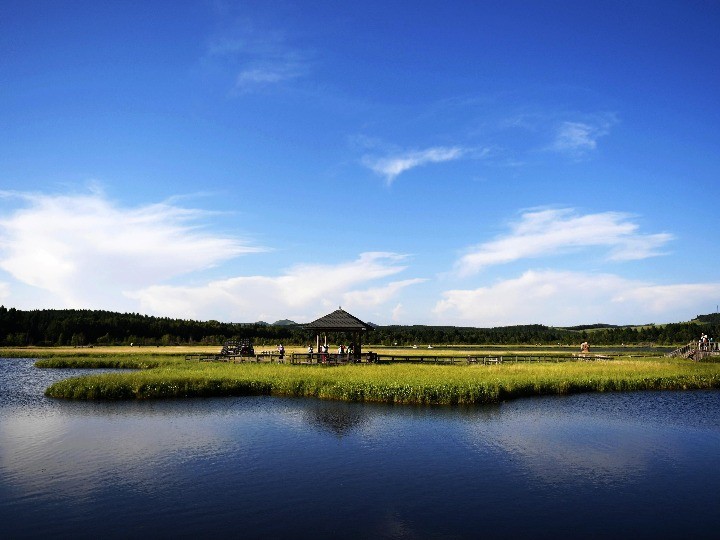
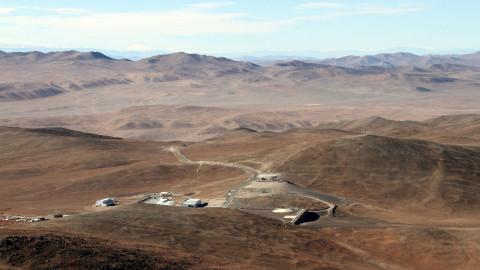
In Laguna La Brava, an area of Chile's Atacama Desert, scientists have been studying a purple photosynthetic microorganism that lives in permanently oxygen-free, high-Salt Lake water.
Geologist Pieter Visscher from University of Connecticut says, “I’ve been studying this underwater microbial mat for about 35 years.”
Advertisement
“This is the only system on earth where I can find a microbial mat that can survive in complete anaerobic conditions.”
Microbes have been living on earth for at least 3.5 billion years, fossilized to form stromatolites. But for the first billion years that microbial mat existed, there was no oxygen on Earth for them to photosynthesize.
How to survive for these life forms under such extreme conditions is unknown, but by studying stromatolites and living extremophiles, researchers have managed to come up with some possible answers.
Advertisement
 1
1 1
1Advertisement
OTHER NEWS

Russia announces intention to independently explore Venus
BY Lois

Your expression will expose your character
BY Chris
What are the Odds That Teenagers Contract COVID-19?
BY Robin

What do linguists think of hashtags on social media?
BY Kathy

Squirrel beer, ant gin and poop wine
BY Susan
How to Know the Weight of Tyrannosaurus Rex?
BY Catherine
RECENT NEWS
-

Santander World Elite™ Mastercard®: The Perfect Travel Companion
-

The Buy Now Pay Later Space Is Getting More Competitive in Europe, As New Startups Sprout Up
-

Argentina Mourned Over Maradona’s Death for Three Days, Why a Football Player Could Own Such an Honor? (II)
-

Argentina Mourned Over Maradona’s Death for Three Days, Why a Football Player Could Own Such an Honor? (I)
-

007’s File Was Actually Hidden in Poland
-

A Small Town Named Fucking in Austria